Spine & Nerve Chart
Every function in the body is coordinated by the nervous system, which runs through and branches from the spine. This is a guide to the traditional chiropractic nerve chart, a side-by-side look at posture, and how spinal degeneration tends to progress.
Nerve Chart
Click any level of the spine to see the structures traditionally associated with it. This reflects long-standing chiropractic reference teaching about spinal nerve function — it's an educational guide, not a diagnosis, and it isn't a substitute for an in-office evaluation.
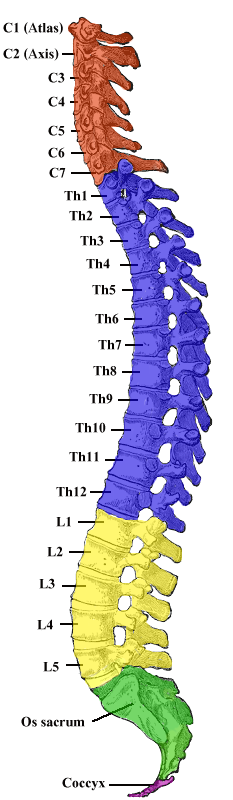
Atlas
Affected structures
Traditionally associated with
Body Postures
Small, everyday postures add up. Here's what good form looks like next to the habits worth correcting, for four everyday positions.
Driving
- Head upright, in line with shoulders
- Shoulders back against the seat
- Lower back supported
- Knees at seat height, not above hips
- Head jutting toward the wheel
- Shoulders rounded forward
- Lower back unsupported, slouched
- Seat too far back, leg overextended
Sitting
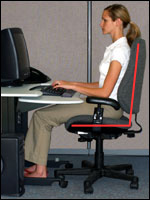
Reference posture: OSHA, Computer Workstations eTool
- Feet flat on the floor
- Back against the chair's support
- Screen at eye level
- Elbows close to the body
- Legs crossed for long stretches
- Slouched, unsupported lower back
- Leaning toward a low screen
- Hunched shoulders
Standing
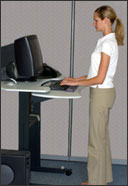
Reference posture: OSHA, Computer Workstations eTool
- Weight even on both feet
- Chin level, not jutting forward
- Shoulders relaxed, not rounded
- Comfortable, supportive shoes
- Weight shifted to one hip
- Head forward of the shoulders
- Rounded upper back
- Locked knees
Sleeping
- Neck supported in a neutral line
- Pillow height matched to sleep position
- Knees slightly bent, one pillow between them if on your side
- Neck bent sharply by a too-high pillow
- Stomach sleeping, head twisted to one side
- No support under the knees or waist
Stages of Spinal Degeneration
Left untreated, a subluxation tends to progress rather than stay the same. We cover the four stages — and what each one means for recovery — on our Patient Resources page.
See the Degeneration StagesQuestions about what you found?
This chart is educational — the best next step is a real evaluation. Call to set up a visit.